Manchester's roads have seen significant improvements in recent years, with the proportion classified as being in poor condition more than halving since 2017, following substantial investment in the city's transport infrastructure.
Roads Minister Justin Madders MP visited Manchester to see the progress first-hand and learn how funding is helping to improve local roads. Since 2017, Manchester City Council has invested more than £165 million in roads, pavements and drainage, reducing the proportion of roads in poor condition from 25% to around 11% and helping create safer, more reliable journeys for residents, businesses and visitors.
The visit formed part of a national highways maintenance announcement and provided an opportunity to showcase how Manchester City Council is using planned maintenance and preventative treatments to improve roads, extend the life of the network and make best use of public funding.
The Minister visited a live resurfacing scheme on Belgrave Road, Moston, where he was welcomed by Councillor Garry Bridges, Leader of Manchester City Council, Councillor Mandie Shilton Godwin, Executive Member for Clean Air, Environment and Transport, and Councillor Sherita Mandongwe, Councillor for Moston Ward, alongside senior highways officers and project partners.
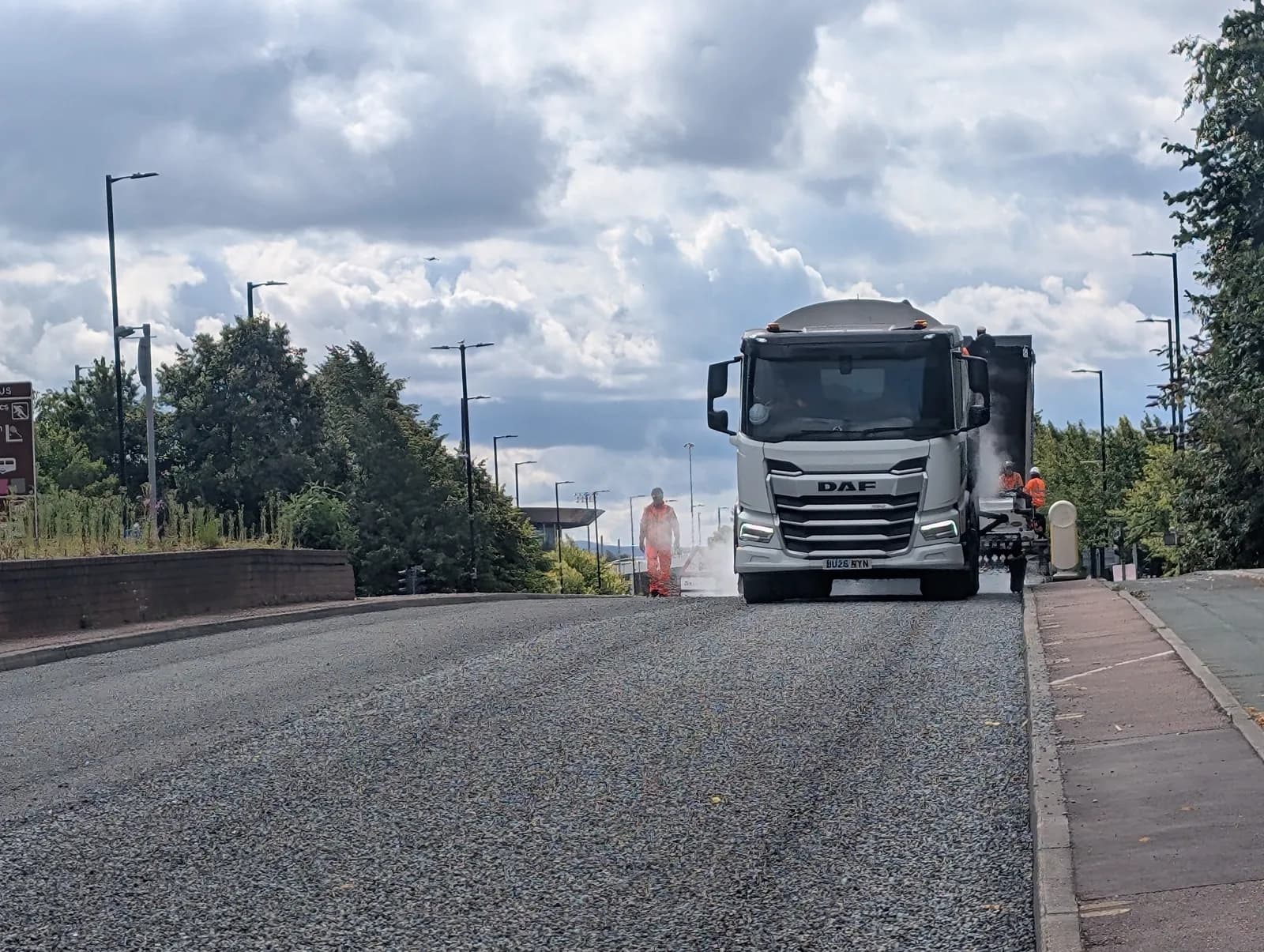
During the visit, the Minister observed a live paving operation and met the teams responsible for delivering improvements to Manchester's roads. He saw first-hand how planned maintenance helps preserve road condition, improve reliability and reduce the need for more extensive repairs in future.
Investing in Better Roads
Manchester City Council manages one of the largest highway networks in the region, including more than 1,400km of roads, 2,600km of pavements and 250km of cycleways.
The Council's projected highways maintenance investment for 2026/27 is £36.3 million, supporting a substantial programme of works across the city.
During 2025/26, Manchester City Council:
Repaired 7,028 carriageway potholes
Repaired 2,955 footway potholes
Completed over 90% of repairs within target timescales
For 2026/27, the Council plans to deliver:
28km of road resurfacing
34km of preventative surface treatments
85km of pavement treatments
32,000m² of large-scale patching repairs
Delivering Results for Residents
The visit provided an opportunity for local elected members to discuss the importance of continued investment in Manchester's roads and the benefits that planned maintenance brings to residents, businesses and communities across the city.
By investing at the right time, the Council can improve road condition, reduce future repair costs and minimise disruption for residents by preventing roads from deteriorating further.
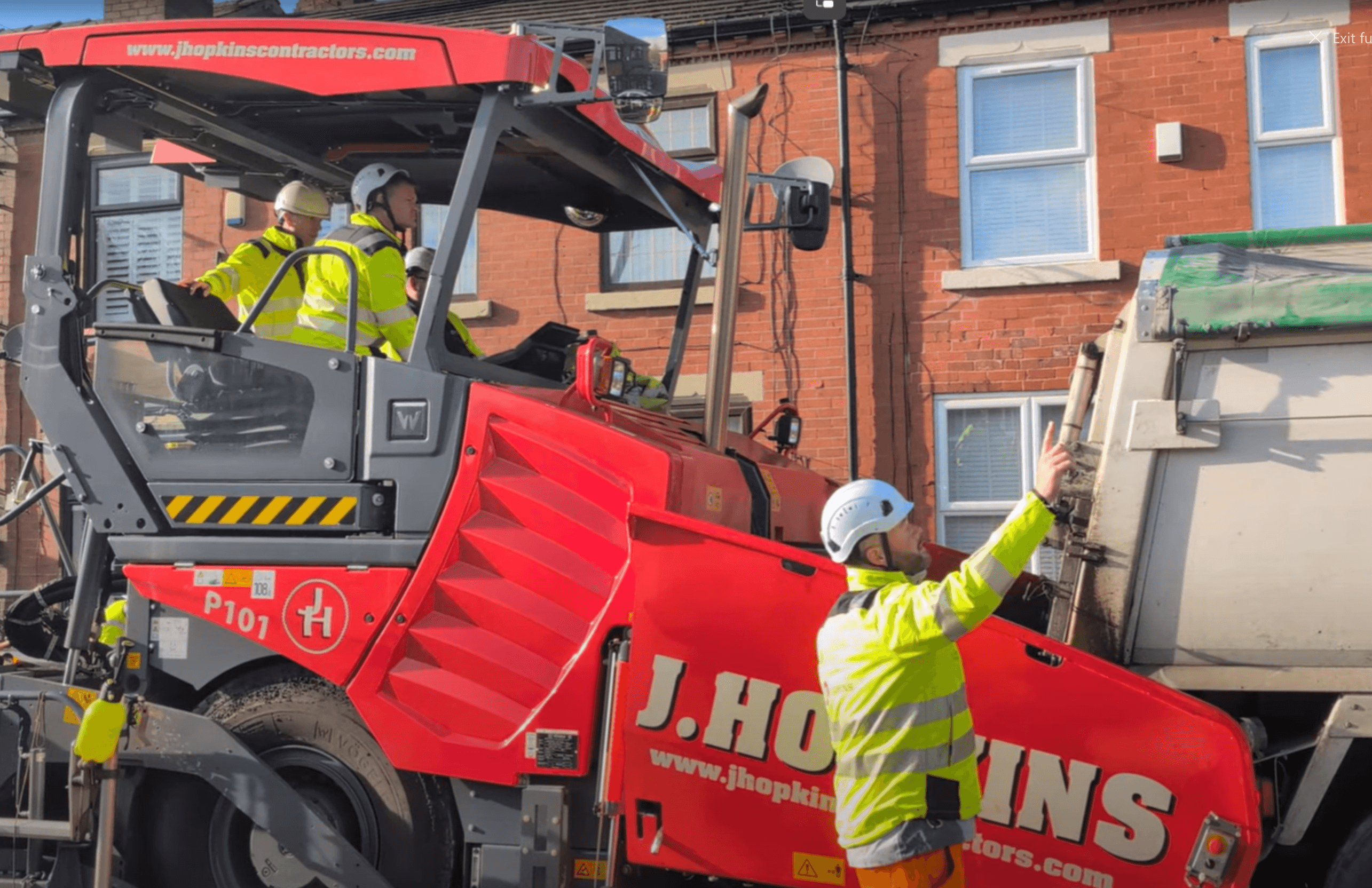
The Minister also saw the specialist equipment, skilled workforce and careful planning involved in delivering resurfacing works safely and efficiently whilst minimising disruption to road users.
Partnership Working
The visit highlighted the close partnership between Manchester City Council and its delivery partners in delivering highway improvements across the city. Through planned investment, preventative maintenance and collaborative working, the Council continues to improve road condition while making the best use of public funding.
The visit provided an opportunity to demonstrate how Manchester is turning long-term investment into visible improvements on the ground, helping create safer, smoother and more reliable journeys for residents, businesses and visitors across the city.
Representatives from J Hopkins Contractors also demonstrated how specialist machinery, skilled operators and careful planning support the delivery of resurfacing works safely and efficiently whilst minimising disruption to local communities.
Councillor Mandie Shilton Godwin, Executive Member for Clean Air, Environment and Transport, said:
This visit provided an excellent opportunity to showcase the work taking place across Manchester to maintain and improve our roads. Planned maintenance is about more than fixing defects. It's about protecting our network, improving journeys and ensuring residents continue to benefit from long-term investment in essential infrastructure.